

In the last essay, Living BeLucidNow: Practices to Engage and Transform Your Workday, we walked the sacred, repeatable returns that turn an ordinary workday into calm mastery. That same presence travels with us. Here is a lived story of practical spirituality on the road: why I never get jet lag.
“You are the sky. Everything else, it’s just the weather.” - Pema Chödrön

I’ve crossed more time zones than I can easily count, from India to the United States, Europe to Asia, long red-eye flights from Dubai to New York. Friends and colleagues often groan about the inevitable fog, insomnia, and exhaustion that follow. If they enquire about my experience, my answer is always the same, simple and true:
“I don’t get jet lag.”
It’s not a superpower or a trick. It’s a quiet, consistent choice I’ve been making for years.
The conventional wisdom is clear: crossing multiple time zones disrupts your circadian rhythm, and your body will suffer for it. Most people expect the worst, and their bodies obediently deliver headaches, fatigue, irritability, and broken sleep. I used to dread it too. Looking back on my many long-haul flights, I realized I simply wasn’t experiencing jet lag at all. That realization led me to stumble upon a different approach, one that blends a few simple, practical habits with a deeper inner state of presence and calm certainty.
On every long flight I stay well hydrated, avoid caffeine and alcohol, sleep whenever my body naturally wants to rest, and make sure I get natural sunlight as soon as I land. These steps are now well-supported by sleep researchers. But the most important factor isn’t what I do with my body: it’s what I refuse to do with my mind. I simply don’t buy into the story that jet lag is inevitable. I don’t keep mental score of “what time it is back home.” I don’t rehearse how bad I’m supposed to feel. Instead, I stay as present as possible, breathing, noticing the seat beneath me, watching the clouds, resting in the eternal now.
The body, I’ve discovered, is remarkably willing to follow when the mind stops creating stories.
Interestingly, I noticed this effect through my own repeated travel experiences. I kept seeing the same pattern: when I stayed calmly present and refused to feed the usual fear-based narrative, the body adjusted with surprising ease. Only as I wrote this piece did I research the science, and to my pleasant surprise found studies confirming exactly what I had been living.
Recent research shows that a traveler’s expectation of jet lag is one of the strongest predictors of how severely they will actually suffer. For example, a 2021 study published on bioRxiv found that psychological expectations predicted jet lag symptom severity more strongly than the number of time zones crossed (Ullrich et al., 2021). Similarly, a review in Sleep Medicine Reviews and related work in Frontiers in Psychology (2022) highlighted the nocebo effect in travel fatigue: when people believe the disruption will be bad, their nervous system and hormones respond accordingly, worsening symptoms. Conversely, when people approach time-zone travel with calm confidence and minimal mental rumination, symptoms are significantly reduced.
In other words, the mind’s story about the body often becomes the body’s reality.

This aligns deeply with what I’ve learned through years of practice and coaching. We are not separate from Source; we are individual rays of the same infinite light. When we rest in that knowing and refuse to feed fearful or limiting narratives, the body tends to reflect the harmony of the inner state. The outer conditions (time zones, flight duration, cabin pressure) still exist, but they no longer dictate our experience.
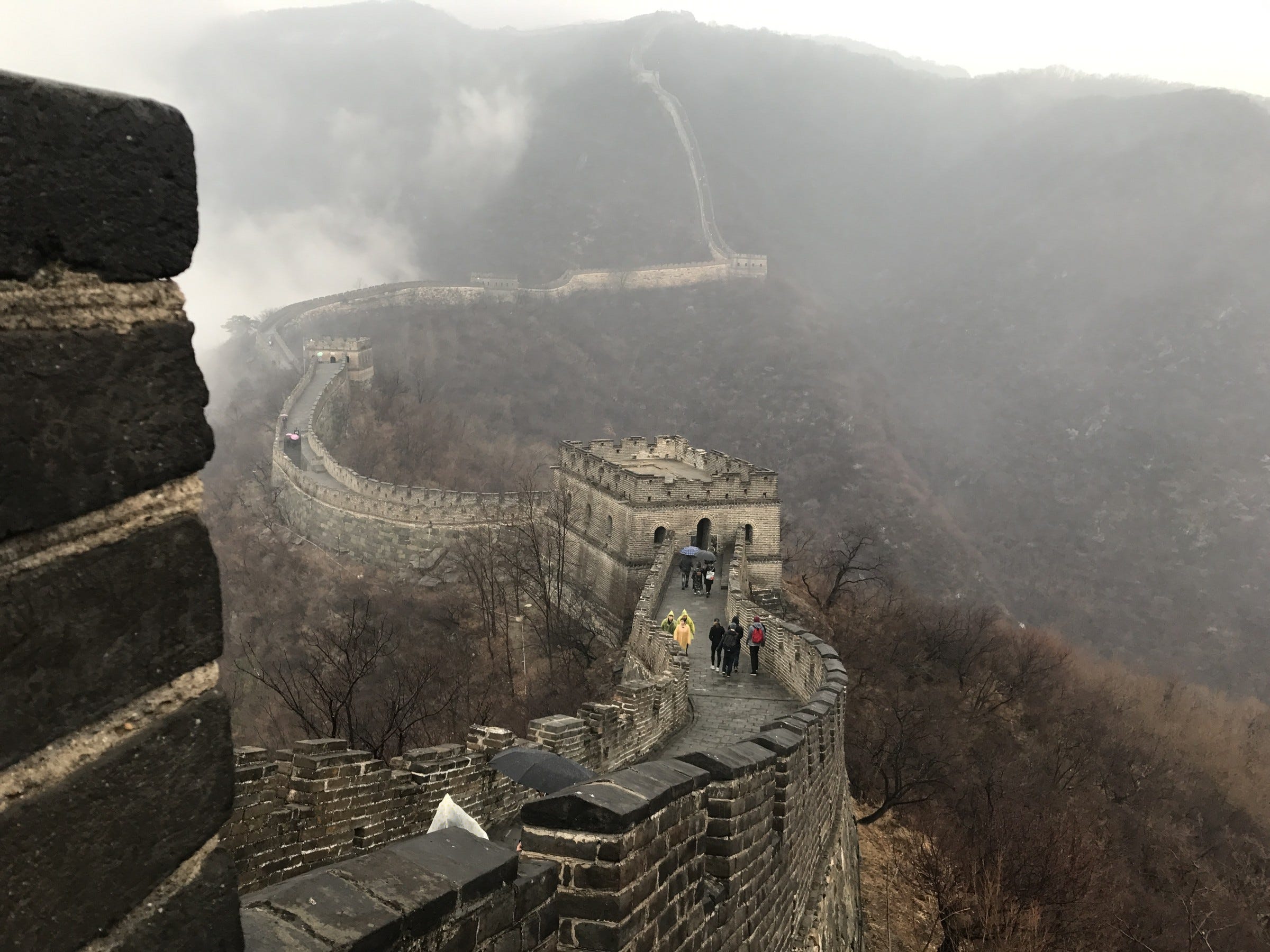
I remember one particularly long journey from Asia to the U.S., nearly 16 hours in the air. I stayed present, hydrated, slept when my body wanted to, and avoided stimulants. Upon landing I stepped into bright daylight, took a gentle walk, and went straight into a full day of meetings and work. There was no fog, no exhaustion, no “catch-up” sleep required. Colleagues stared in disbelief. “How are you not tired?” they asked. I smiled and said, “Because I’m not thinking about being tired. I’m just here.”
This isn’t about denying the body’s needs. It’s about giving the body clear, coherent instructions instead of sending it conflicting messages. The mind that is constantly calculating “what time it should be” creates internal chaos. The mind that rests in the present moment gives the body permission to adapt naturally and gracefully.
The same principle applies far beyond travel. In high-pressure work situations, difficult conversations, or periods of rapid change, the body and mind respond to the dominant story we hold. When we choose calm certainty (the deep knowing that “all is always well”), we create the inner conditions for harmony to express itself outwardly.
This is not magical thinking. It is practical spirituality. It is the lived understanding that we are extensions of Source, and that our beliefs and state of consciousness shape our experience more powerfully than we may realize.
So the next time you board a long flight, or face any situation that usually triggers stress or disruption, try a small experiment. Stay hydrated. Sleep when your body naturally wants to. Move toward natural light when you arrive. And most importantly, refuse to rehearse the story of suffering. Instead, rest in the quiet knowing that you are already here, already whole, already supported.
You may discover, as I have, that the body is far more willing and intelligent than we give it credit for, when the mind stops interfering.

What small shift in your own story could you make today that might change how your body responds tomorrow?
“To the mind that is still, the whole universe surrenders.” - Lao Tzu
References
Ullrich, M., et al. (2021). “Jetlag Expectations, not Circadian Parameters, Predict Jetlag Symptom Severity in Travelers.” bioRxiv. https://www.biorxiv.org/content/10.1101/2021.04.23.441149.full
New Scientist Summary: https://www.newscientist.com/article/2276868-worrying-about-bad-jet-lag-could-actually-make-your-jet-lag-worse/
Additional supporting reviews on the nocebo effect in travel fatigue appear in Sleep Medicine Reviews and Frontiers in Psychology (2022).
All photos in this series are my own.